
Backend Development in Node.js and Python you can hand over
Smart-UI builds REST and GraphQL APIs in Node.js, NestJS, Python and FastAPI, with the database design and cloud infrastructure behind them. A typical backend project runs 4 to 12 weeks and ships with CI in place.
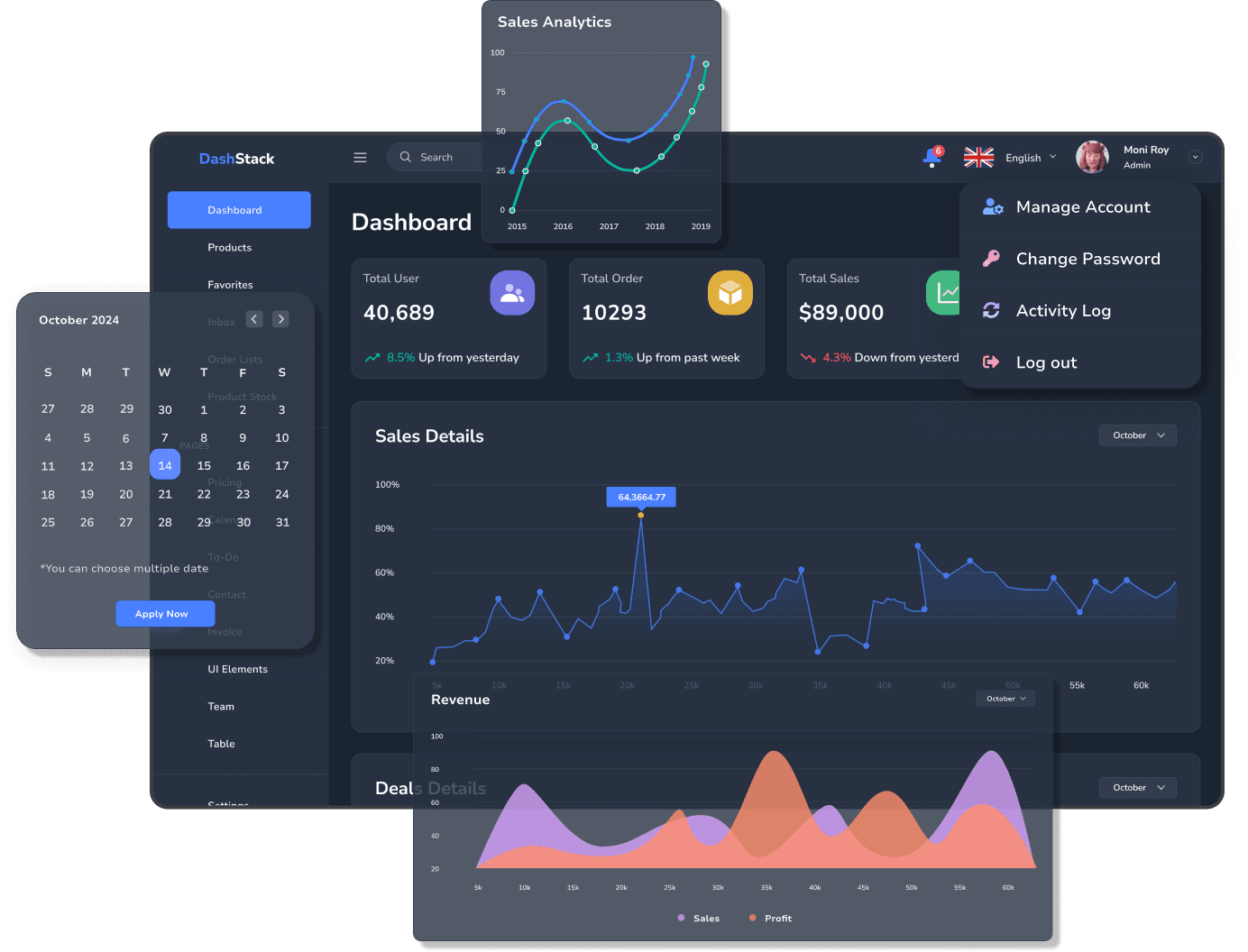

What does Smart-UI build on the back end?
Smart-UI builds REST and GraphQL APIs in Node.js, NestJS, Python and FastAPI, along with the database design and cloud infrastructure behind them. A typical backend project runs 4 to 12 weeks depending on how many external systems it has to integrate with.
Work is deployed on AWS or GCP with CI in place, and repositories, servers and accounts are handed to the client rather than held by Smart-UI.
| Engagement models | Fixed-price project, retainer, or dedicated engineers |
|---|---|
| Typical duration | Typically 4-12 weeks |
| Team shape | 1-3 engineers |
| Stack | Node.js, NestJS, Python, FastAPI, PostgreSQL, MongoDB |
| Markets served | United Kingdom, United States, Australia, European Union |
Node.js, Python, PostgreSQL and the cloud around them
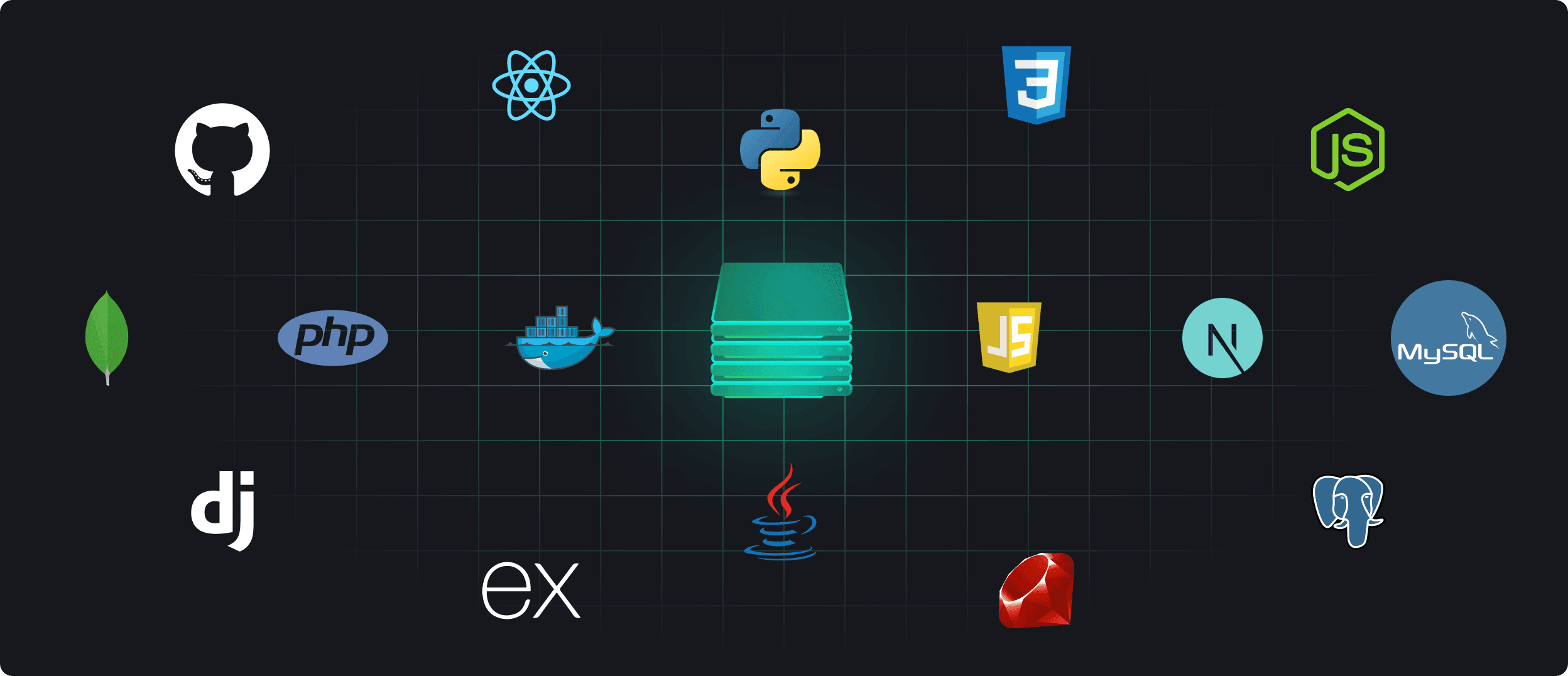
Node.js and NestJS where the team already works in JavaScript. Python and FastAPI where the work is data or AI heavy. PostgreSQL by default, Redis for queues and caching, AWS or GCP underneath. Every choice has to survive the handover, so nothing goes in that only we know how to run.
Core Backend Development Services
What a backend engagement covers. Most projects need four or five of these rather than all ten, and the scope says which.

Custom Backend Development
Application backends in Node.js, NestJS, Python and FastAPI. The language is chosen for the work and for the team that will maintain it afterwards, not for the CV.
API Development & Integration
REST and GraphQL APIs with versioning, pagination and error contracts decided up front, so your front end and any third party can build against them without guessing.
Database Design & Management
Schema design in PostgreSQL, with MongoDB or Redis where the shape of the data earns it. Indexes and query plans reviewed before the load arrives rather than after.
Microservices Architecture
Services split only where the seams are real: separate deploy cadence, separate scaling, separate owner. A monolith that is easy to change beats microservices nobody can trace.
Cloud Solutions
AWS and GCP, provisioned as code so an environment can be rebuilt rather than remembered. Running cost is part of the design review, not a surprise on the first invoice.
Authentication & Authorization
Sessions, JWT, OAuth and SSO, with roles modelled around what people actually do. Token expiry, password resets and an audit trail included, because that is where it usually leaks.
Real-time Applications
WebSockets and server-sent events for chat, notifications and dashboards that update themselves, with reconnection and back-pressure handled rather than assumed.
Backend Performance Optimization
Profile first, then caching, query fixes, connection pooling and moving slow work to background jobs. Numbers before and after, measured on production traffic.
Serverless Architecture
AWS Lambda and Cloud Functions where the workload is spiky or scheduled. Used for the parts that suit it, rather than as an architecture applied to everything.
DevOps & Continuous Integration/Continuous Deployment (CI/CD)
Pipelines that test, build and deploy on every merge, with a staging environment that mirrors production. Set up so releasing stops being an event that needs one particular person.

Need a backend that outlives the build?
Send the requirements and what it has to integrate with. A fixed-price estimate and a delivery plan come back within 48 hours.









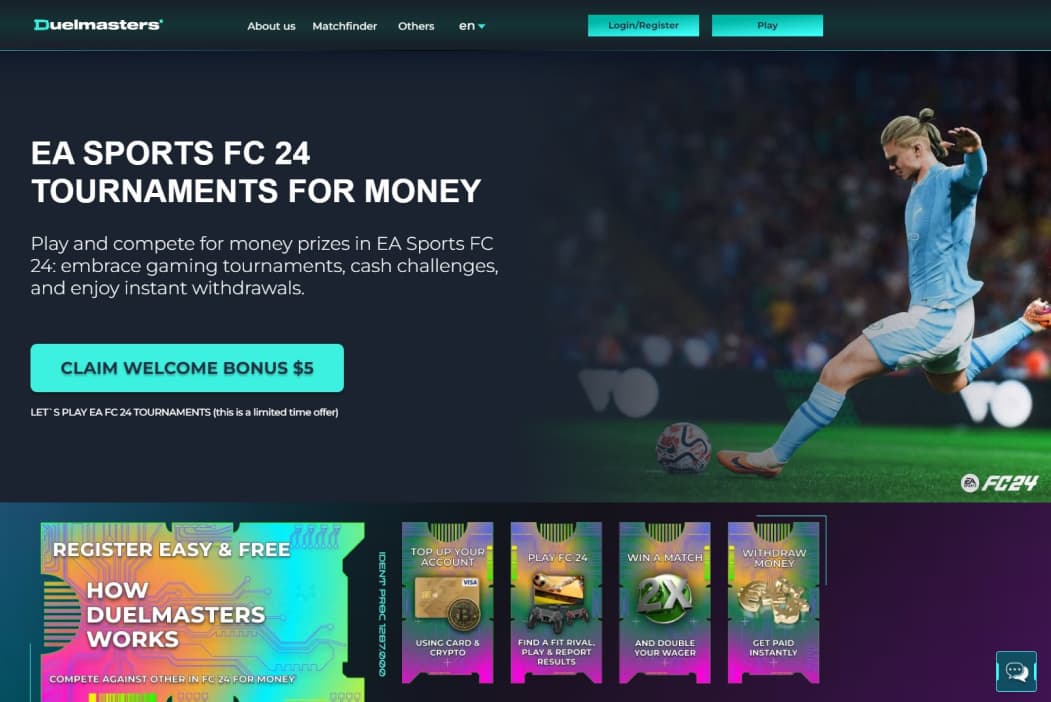 DuelMasters
 Fine Matter
 GoodVets
- View All Projects
Frequently Asked Questions
We specialise in Node.js, NestJS, Python, Django, and FastAPI. For databases we work with PostgreSQL, MongoDB, and Redis. We design REST and GraphQL APIs and deploy on AWS, GCP, and Docker-based infrastructure.
A typical backend API project takes 4-12 weeks depending on complexity. We start with a scoped technical specification, then deliver in two-week sprints with demos after each iteration.
Yes. We regularly integrate with third-party APIs, CRMs, payment gateways, ERPs, and legacy systems. We use webhooks, REST, GraphQL, and custom middleware depending on the integration requirements.
Yes. We offer ongoing maintenance packages that cover bug fixes, security patches, dependency updates, and performance monitoring. SLA options are available for business-critical systems.
From the blog
All articlesWhen replacing a SaaS with your own software pays off
The build versus buy arithmetic, the costs both sides forget, where buying still wins, and how to replace a subscription one capability at a time.
Legacy .NET modernisation without a rewrite
What to do when a business-critical system runs on old .NET, the people who wrote it are gone, and a rewrite is not an option. The order of work.



Tell us what you are building
Send the scope, the deadline and what it has to connect to. A fixed-price estimate and a delivery plan come back within 48 hours, with no obligation to proceed. If it is easier to talk it through first, the numbers below reach the same people.